Top Label Printers to Buy in 2025 Best Options for Every Need
In the ever-evolving landscape of business and retail, the demand for efficient and reliable label printers continues to rise. According to a recent market research report by Grand View Research, the global label printer market is expected to reach $14.85 billion by 2025, growing at a CAGR of 5.89%. This trend reflects the increasing need for product labeling across various sectors, including logistics, manufacturing, and healthcare, where accurate labeling can significantly enhance operational efficiency and compliance.
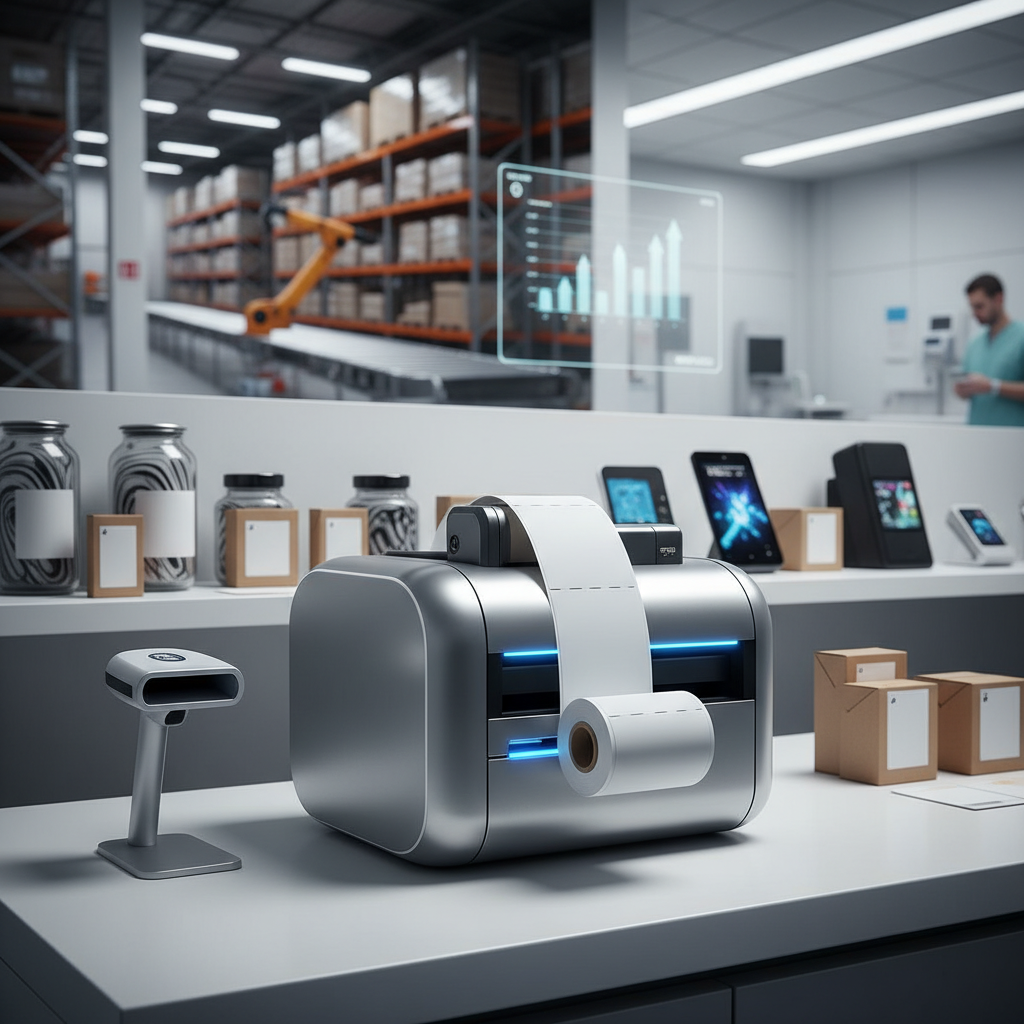
As businesses strive to improve their workflows and customer experiences, selecting the right label printer becomes paramount. From small-scale operations needing portable solutions to large enterprises requiring high-volume capabilities, the variety of options available can be overwhelming. This guide explores the top label printers to buy in 2025, catering to every need—from cost-effective models for startups to advanced systems designed for high-speed production lines. By analyzing the latest features, technologies, and user requirements, we aim to help you make an informed decision that meets your labeling demands effectively.
Top Label Printers: An Overview of 2025 Market Trends
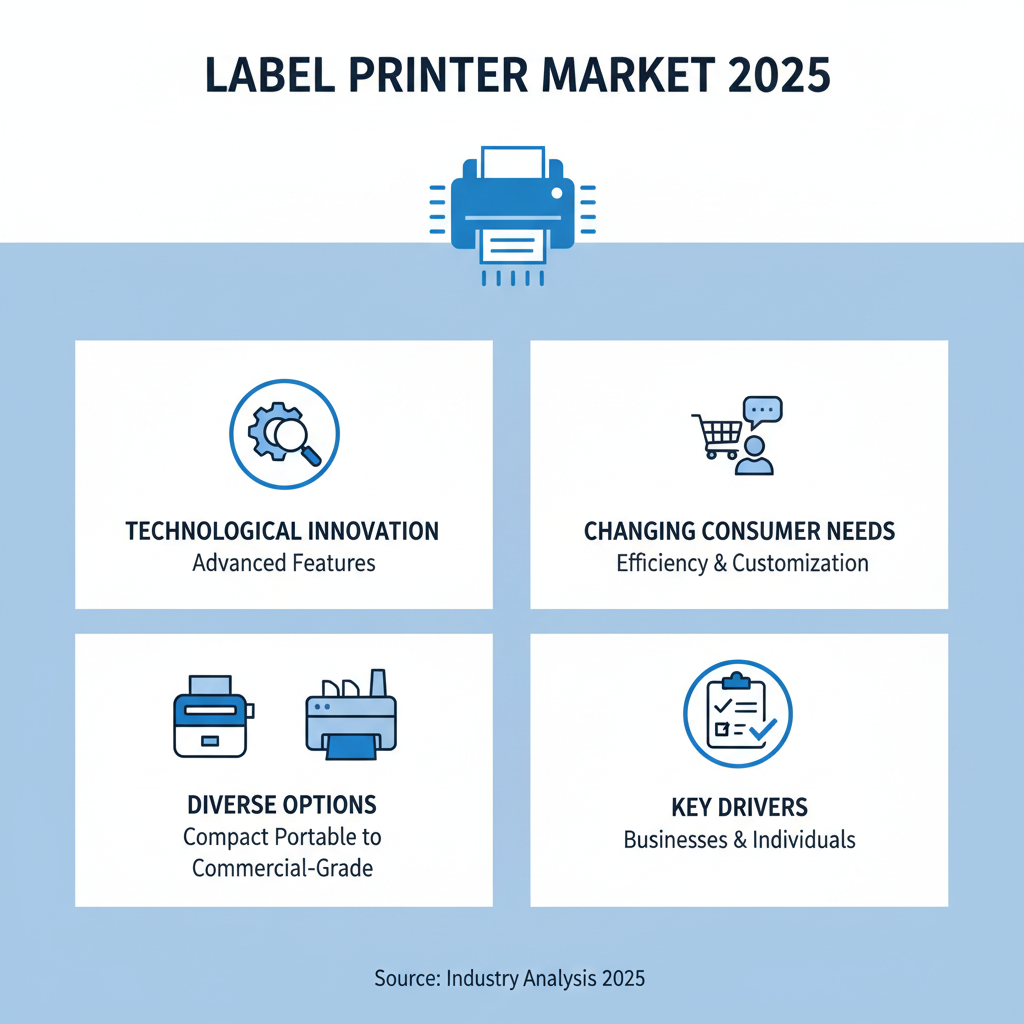
The label printer market in 2025 reflects significant advancements driven by technological innovation and changing consumer needs. As businesses and individuals increasingly prioritize
efficiency and customization, manufacturers are stepping up with versatile options that cater to a variety of labeling tasks. From compact, portable models ideal for on-the-go use
to commercial-grade printers capable of high-volume production, the choices are more diverse than ever.
One of the most notable trends this year is the rise of eco-friendly label printers. As sustainability becomes a crucial consideration for consumers, manufacturers are
responding by developing printers that utilize recyclable materials and environmentally friendly inks. Additionally, the integration of
smart technology in label printers is gaining traction, enabling features such as wireless connectivity, mobile app compatibility, and cloud printing. This evolution not only enhances user
convenience but also streamlines operations for businesses looking to modernize their labeling processes. As a result, consumers are presented with an impressive array of choices to meet their specific
labeling needs in a rapidly evolving market.
Key Features to Consider When Choosing a Label Printer
When selecting a label printer, several key features must be considered to ensure you choose the right model for your needs. According to a recent report from MarketsandMarkets, the label printer market is projected to grow from $5.7 billion in 2020 to $8.4 billion by 2025, indicating increasing demand for versatile and efficient label printing solutions. One critical feature is the print resolution; higher resolution printers are essential for producing clear, readable labels, especially when intricate designs or small fonts are involved. Most modern label printers offer resolutions of 300 dpi or higher, which is recommended for professional-grade outputs.
Another important factor to consider is the connectivity options available. With the rise of smart technology, many users prefer label printers that support wireless connections, such as Bluetooth and Wi-Fi, enhancing ease of use and flexibility in various environments. A study by Research and Markets highlighted that nearly 45% of consumers prioritized wireless capabilities when choosing printing devices. Additionally, the type of labels a printer can handle, including size and material compatibility, plays a crucial role in usability across different applications, from shipping to product labeling. Choosing a printer that caters to diverse label materials ensures long-term satisfaction and versatility in various business contexts.
Best Label Printers for Home Use: Affordable and Efficient Options
When searching for the best label printers for home use in 2025, affordability and efficiency are key considerations. The market offers a variety of models that cater to different needs, making it easier than ever for individuals and families to organize their space. Look for printers that feature high print resolutions and quick printing speeds, as these attributes will save you time and ensure that your labels are both clear and professional-looking.
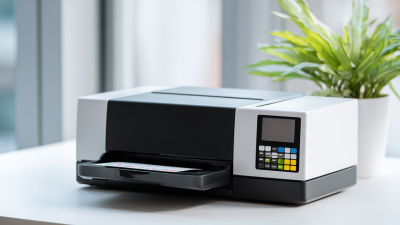
One excellent option is the compact thermal label printer, which uses heat to produce sharp, smudge-proof labels without the need for expensive ink cartridges. Many of these models are designed to be user-friendly, providing easy connectivity options like Bluetooth and Wi-Fi. Additionally, some printers offer mobile apps that allow you to design and print labels straight from your smartphone, adding a layer of convenience for busy households. By investing in a reliable label printer, you can streamline your organization efforts, making it easier to manage everything from home office supplies to pantry items.
Top Label Printers for Home Use in 2025
High-Volume Label Printers for Business Needs: Top Recommendations
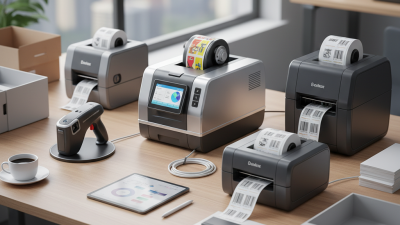
When it comes to high-volume label printing for business needs, choosing the right printer can significantly affect operational efficiency and cost management. According to a report by Smithers Pira, the global label printer market is projected to grow from $34.5 billion in 2022 to $47.3 billion by 2027, indicating a robust demand for reliable label printing solutions. Businesses looking for optimal performance should consider features such as speed, durability, and print quality, as these attributes can greatly impact production timelines and brand presentation.
For businesses that frequently require large quantities of labels, investing in thermal transfer printers or color label printers is advisable. Thermal transfer printers are known for their speed, capable of printing up to 12 inches per second, which can be crucial during peak operation times. Meanwhile, color label printers offer advanced flexibility, allowing businesses to produce customized labels on-demand, thereby reducing wastage and improving inventory management.
**Tips:**
1. Assess your printing volume: Determine the average number of labels you need daily to choose a printer that can handle your workload efficiently.
2. Look for multi-functionality: Some high-volume printers also offer cutting and finishing options, saving you time and increasing productivity.
3. Invest in software integration: Label printing software that integrates with your existing systems can streamline order processing and improve labeling accuracy.
Top Label Printers to Buy in 2025 Best Options for Every Need
| Printer Type |
Max Print Speed (labels/min) |
Resolution (dpi) |
Connectivity Options |
Best Use Case |
| High-Volume Thermal Printer |
200 |
300 |
USB, Ethernet, Wi-Fi |
Warehouse & Shipping |
| Desktop Label Printer |
60 |
600 |
USB, Bluetooth |
Small Business |
| Industrial Label Printer |
150 |
300 |
USB, Ethernet, Serial |
Manufacturing |
| Portable Label Printer |
30 |
200 |
Bluetooth, NFC |
Field Work |
| Print-and-Apply System |
100 |
300 |
Ethernet, USB |
Production Lines |
Specialized Label Printers: Solutions for Niche Applications
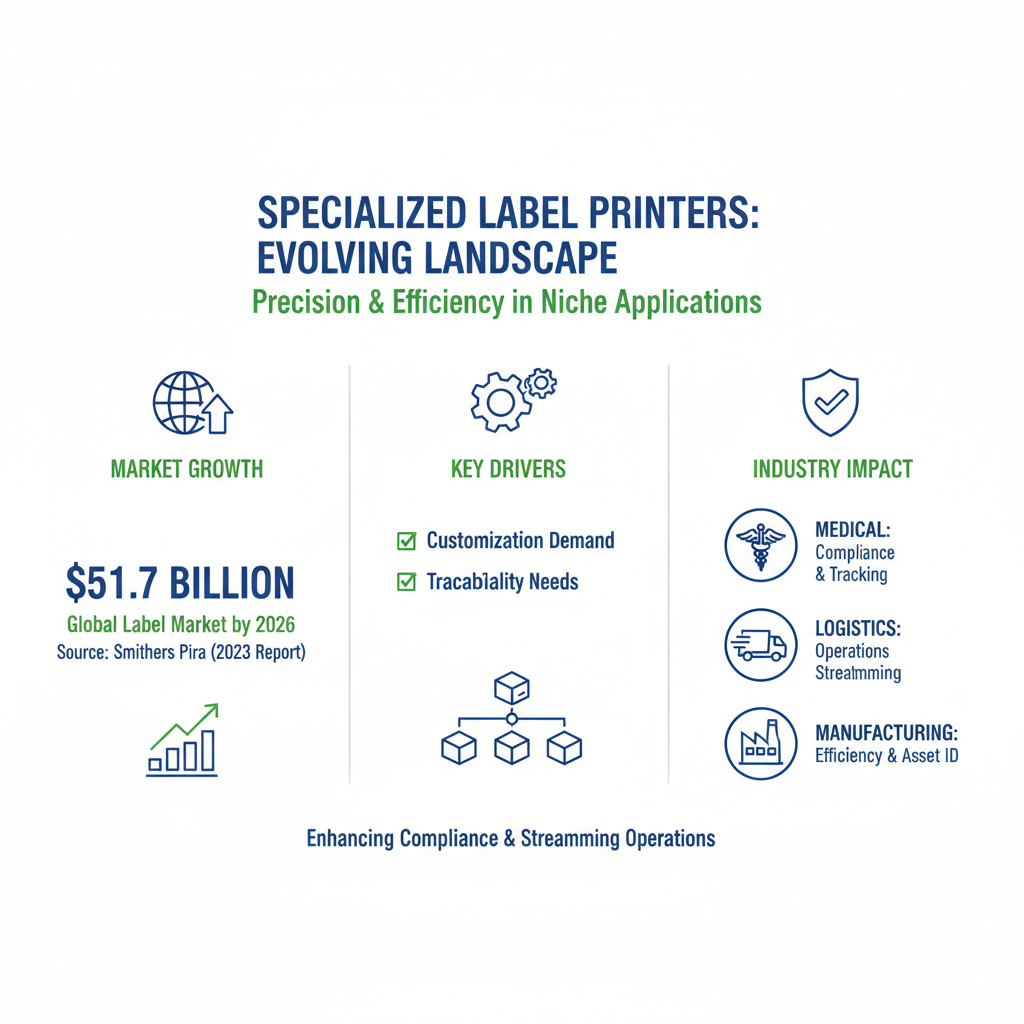
When it comes to specialized label printers, the landscape has evolved significantly, catering to niche applications that demand precision and efficiency. According to a 2023 report by Smithers Pira, the global label market is expected to reach $51.7 billion by 2026, driven by the rising need for customization and traceability in various industries. From medical to logistics, specialized label printers play a crucial role in streamlining operations and enhancing compliance.
In the medical sector, specialized label printers are essential for accurately labeling drugs and medical devices, ensuring patient safety and regulatory compliance. A 2022 study found that 60% of healthcare organizations reported an increase in labeling errors that could be mitigated through automated labeling solutions. Furthermore, in the logistics and shipping industries, high-velocity label printers are designed to handle diverse materials and environmental conditions, improving operational efficiency by 30% as stated by an industry analysis. These advancements are transforming how businesses approach labeling, with tailored solutions proving vital for meeting specific operational needs.