Top 10 Custom Product Labels You Need for Your Brand in 2023
In the highly competitive landscape of 2023, brands are continually seeking innovative ways to distinguish themselves, and custom product labels have emerged as a critical component of this strategy. According to a recent report by Smithers Pira, the global market for labels is projected to reach $246 billion by 2024, underscoring the importance of effective packaging and labeling in driving consumer engagement. Custom product labels not only enhance product visibility but also play a pivotal role in conveying brand identity and values.
Moreover, with consumers becoming increasingly attuned to the aesthetic and informational aspects of packaging, the demand for personalized and uniquely designed labels is at an all-time high. A study by the Paper and Packaging Board indicates that 72% of consumers form a judgment about a product based on its packaging alone. As brands look to leverage this insight, incorporating custom product labels that reflect their unique story can significantly impact purchasing decisions and customer loyalty. The effectiveness of these labels in communicating brand aesthetics and functionality highlights why they are indispensable for any brand looking to thrive in 2023.
Trends in Custom Product Labels: What Brands Should Know in 2023
As we delve into 2023, the landscape of custom product labels is witnessing transformative trends that brands must harness to stand out in a competitive market. One significant trend is the rise of sustainability. Consumers are increasingly gravitating towards eco-friendly products, prompting brands to adopt sustainable materials for their labels. This not only enhances the product's appeal but also aligns with the values of environmentally conscious consumers, creating an authentic connection with the audience.
Another important trend is the integration of technology into labeling. Smart labels that incorporate QR codes or NFC technology enable consumers to access additional information about the product, from sourcing to usage tips. This interactive approach not only elevates the user experience but also builds trust, as transparency becomes a key factor in purchasing decisions.
Moreover, brands are leveraging personalized labels to cater to individual preferences, making customers feel valued and enhancing brand loyalty. As these trends continue to evolve, it’s crucial for brands to stay ahead by innovating their labeling strategies.
The Impact of Product Label Design on Consumer Purchasing Behavior
The design of product labels plays a critical role in shaping consumer purchasing behavior.
In a market saturated with options, eye-catching and well-designed labels can make a significant difference in attracting customers.
When shoppers are faced with countless products on store shelves, the first impression often comes from the label.
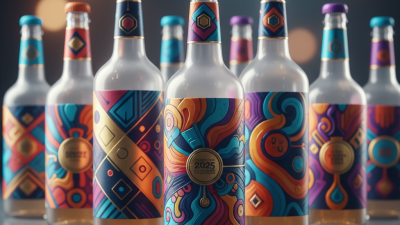
Elements such as color, typography, imagery, and overall layout can influence not only the perceived quality but
also the emotional response of potential buyers. A professionally crafted label communicates a brand's identity and values, potentially leading to increased sales.
Furthermore, product labels serve as a crucial touchpoint for storytelling. Brands that effectively convey their narrative through label design tend to foster a deeper connection with consumers.
Packaging that highlights sustainability, local sourcing, or artisanal craftsmanship can resonate strongly with modern buyers who prioritize these values.
As consumers become more discerning, a label that tells a compelling story can enhance brand loyalty and encourage repeat purchases. In 2023, brands must recognize that investing in thoughtful label design is not just an aesthetic choice; it is a strategic decision that directly impacts purchasing behavior.
Sustainable Labeling Options: Meeting Consumer Demand for Eco-Friendly Products
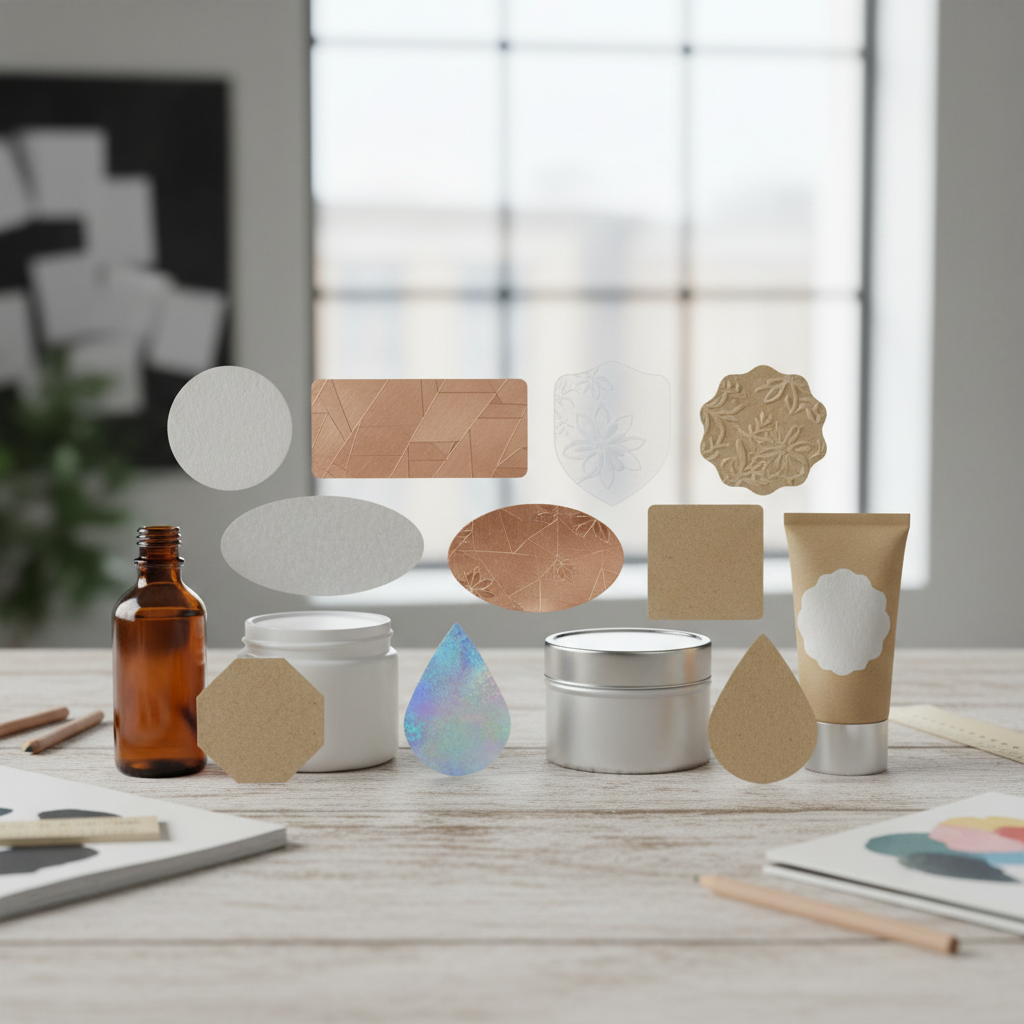
In 2023, sustainable labeling has become more than just a trend; it is a necessity for brands aiming to meet the increasing consumer demand for eco-friendly products. As consumers are becoming more environmentally conscious, incorporating sustainable materials into your product labels is key. Consider labels made from recycled paper, biodegradable materials, or sustainably sourced options. This not only reduces your environmental impact but also enhances your brand’s image as a responsible choice in the eyes of eco-aware shoppers.
When designing your product labels, opt for minimalistic designs that convey your message clearly while utilizing natural inks to reduce chemical usage. Consumers often appreciate transparency, so consider including information about the eco-friendly initiatives your brand is undertaking. This added layer of authenticity can increase customer loyalty and trust.
Tips for sustainable labeling include sourcing local materials to decrease transportation emissions and using digital printing methods to minimize waste. Always explore innovative designs that integrate sustainability seamlessly, making it a core aspect of your brand identity. By making thoughtful choices in label design and production, you can both satisfy consumer demand and contribute positively to the planet.
Innovative Technologies Shaping the Future of Custom Label Production
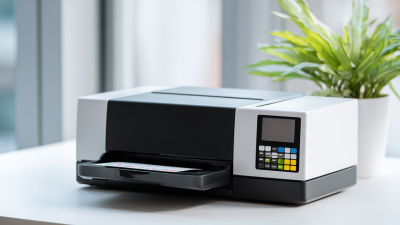
In 2023, the landscape of custom product labels is rapidly evolving, driven by innovative technologies that are reshaping production processes. According to a recent report by Smithers, the global label market is expected to reach $45.7 billion by 2026, growing at a CAGR of 4.3%. This growth is significantly impacted by advancements in digital printing technology, which allows brands to produce high-quality labels with shorter turnaround times and reduced waste. Digital printing not only enhances design flexibility but also meets the increasing demand for personalized and variable data labeling, catering to diverse consumer preferences.
Furthermore, automation in the printing process has revolutionized efficiency, reducing manual labor and minimizing human error. A report by MarketsandMarkets indicates that the adoption of automation in label production could reduce operational costs by up to 30%. Additionally, the integration of augmented reality (AR) and QR codes in label design is becoming increasingly popular, enabling brands to offer customers interactive experiences that enhance product engagement. As these technologies continue to evolve, they empower brands to create bespoke labels that stand out on the shelves, align with sustainability goals, and ultimately drive consumer loyalty.
Top 10 Custom Product Labels in 2023
This bar chart displays the growth in popularity of various types of custom product labels in 2023, based on market research data. The categories include Eco-friendly labels, Clear labels, QR Code labels, Vintage labels, Foil labels, Waterproof labels, Promotional labels, Product information labels, Security labels, and Custom shape labels. The data indicates the increasing trends and consumer preferences for these innovative label types.
Key Factors in Choosing the Right Custom Label Type for Your Brand's Needs
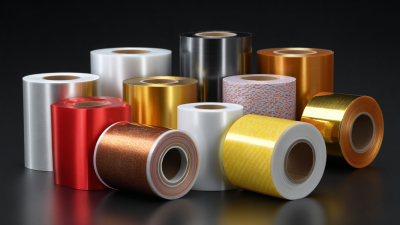
When selecting the right custom label type for your brand, consider the material and adhesive that best suits your product's packaging environment. For instance, if your product will be exposed to moisture or extreme temperatures, opting for water-resistant or thermal labels is crucial. Additionally, the adhesive quality should match the surface of your packaging—whether it's glass, plastic, or cardboard—to ensure both durability and visibility.
Another key factor is the design flexibility that custom labels offer. Your brand’s identity should be reflected in the label’s color scheme, logo placement, and overall aesthetic. Think about how these components will catch the consumer's eye and communicate your message effectively. Moreover, the incorporation of QR codes or other interactive elements can enhance customer engagement, providing an avenue for further brand storytelling beyond the label itself.