What is a Thermal Label Printer and How Does it Work?
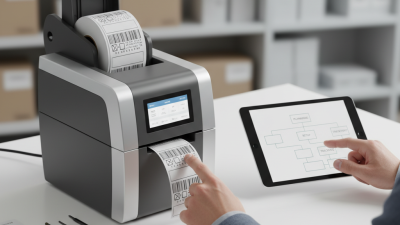
A thermal label printer is a vital tool in many industries. It offers a fast and efficient way to create labels for various applications. From shipping to retail, these printers serve an essential purpose. The technology behind thermal label printers is both simple and fascinating.
Using heat to transfer ink onto labels, thermal printers eliminate the need for traditional ink cartridges. This design reduces costs and waste significantly. However, this does lead to some imperfections in print quality over time. Understanding the workings of a thermal label printer can improve its use. Sometimes, users overlook maintenance, leading to issues. Regular checks can enhance performance.
In today’s fast-paced environment, efficiency is key. Businesses need reliable tools like thermal label printers. Knowing how to operate and care for them can save both time and money. Despite their benefits, one must be aware of the limitations, like compatibility with materials. Recognizing these factors is crucial for effective labeling solutions.
What is a Thermal Label Printer?
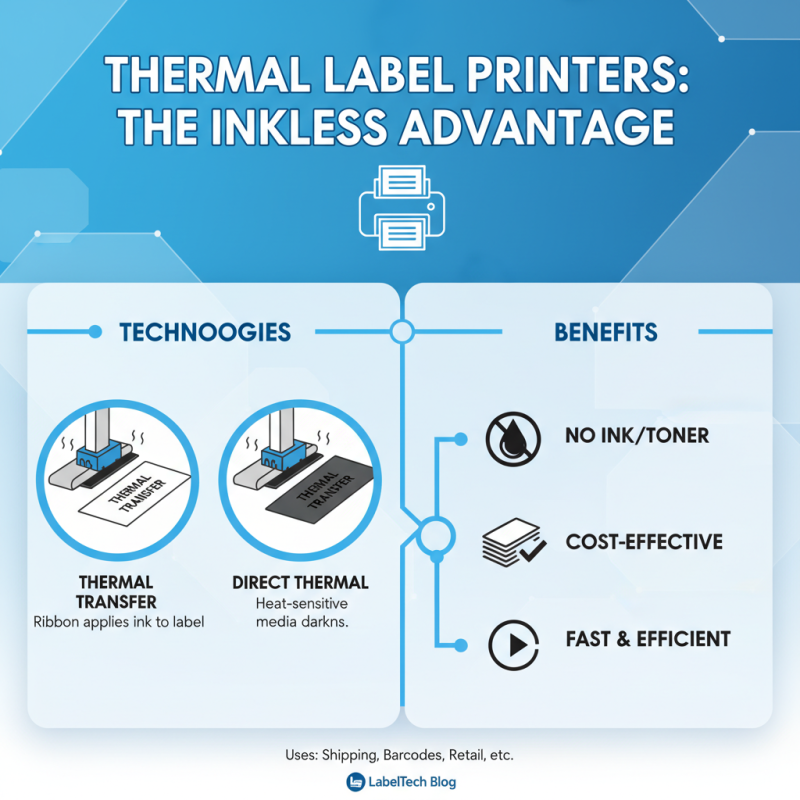
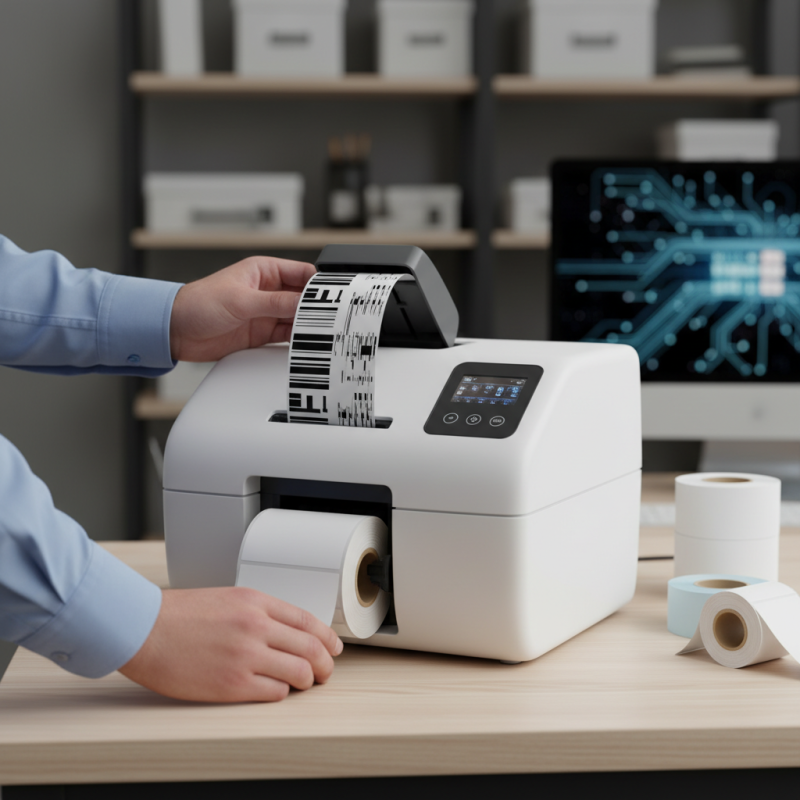
A thermal label printer is a specialized device that creates labels using heat. Unlike traditional printers, they do not require ink or toner. Instead, they utilize thermal transfer technology or direct thermal printing. In thermal transfer, a ribbon applies ink to the label surface when heated. In direct thermal printing, heat-sensitive media turns dark when exposed to heat.
The global thermal printer market is set to grow significantly. Reports estimate an annual growth rate of about 6% from 2021 to 2026. That's a substantial rise. Many businesses are shifting to thermal printing due to its cost-effectiveness and efficiency. These printers are widely used in logistics, retail, and healthcare sectors. Fast and reliable, they streamline operations by minimizing label-printing errors.
Yet, there are areas for improvement. One challenge is the longevity of printed labels. They may fade under sunlight or high temperatures. Additionally, the hardware can be sensitive to dust and moisture. Users often need to consider these factors. Even with these concerns, the convenience of thermal label printers cannot be overstated. They play a critical role in modern business operations.
Types of Thermal Printing Technologies: Direct and Transfer
Thermal label printers are essential tools in many industries. They use heat to transfer ink onto label materials. There are two primary types of thermal printing technologies: direct thermal and thermal transfer. Each has its unique features and applications.
Direct thermal printing uses heat-sensitive paper. The printer’s thermal print head generates heat, which creates images directly on the paper. This method is simple and cost-effective. However, it is not suitable for items that require durability. The printed labels may fade when exposed to moisture or direct sunlight.
Thermal transfer printing involves a ribbon. The print head heats the ribbon, transferring ink onto the label surface. This method produces high-quality, long-lasting labels. It is ideal for barcode printing and product labeling. However, the initial setup can be more complex.
**Tips:** Choose a printing method based on your label needs. If you need temporary labels, direct thermal might work. For durable labels, consider thermal transfer. Always test your labels in real-world conditions. You may find that some options work better than others.
What is a Thermal Label Printer and How Does it Work?
| Type of Thermal Printing |
Description |
Common Applications |
Advantages |
Disadvantages |
| Direct Thermal Printing |
Uses heat-sensitive media that turns black when heated. |
Shipping labels, receipts, and tickets. |
No need for ink or toner, lower operating costs. |
Shorter lifespan of prints, susceptible to heat and light damage. |
| Thermal Transfer Printing |
Uses a ribbon that melts onto the label material to create an image. |
Product labels, barcodes, and asset tags. |
Durable prints resistant to scratches and fading. |
Higher initial costs due to ribbon use, slower printing speed. |
Key Components and Mechanisms of Thermal Label Printers
Thermal label printers have gained popularity in various industries for their efficiency and ease of use. At the core of these printers are key components that work together to produce high-quality labels. Most thermal printers employ a heat source that activates special thermal paper. The printer uses a thermal head to transfer heat to the paper, generating precise images. According to a report by Smithers Pira, the global thermal printing market is projected to reach $56.9 billion by 2025, underscoring the technology's growing relevance.
A crucial element in thermal label printers is the thermal print head, which contains many tiny heating elements. These elements create a pattern that corresponds to the label's design. The printer moves the label past the print head, allowing the heat to do its job. Interestingly, many users overlook the importance of maintaining these elements. Failure to regularly clean them can lead to poor print quality and increased waste. Regular maintenance is essential for optimal performance.
Another vital component is the label roll. Different label materials can impact print quality and durability. Some labels may smudge if they are not compatible with the printer's technology. Industry reports indicate that nearly 25% of thermal printer users experience difficulties due to improper label material. Understanding these components can help users choose the right products for their needs and avoid frustrating challenges.
Common Applications of Thermal Label Printers in Various Industries
Thermal label printers have gained popularity across various industries due to their efficiency and versatility. In retail, they are often used for price tags and shipping labels. The ability to generate clear, precise labels saves time and enhances accuracy at checkouts. However, some retailers still rely on older printing methods, leading to inconsistencies in label quality.
In logistics, these printers streamline the shipping process. They produce labels that withstand environmental factors like temperature and moisture. This durability is crucial for packages in transit. Yet, not all thermal printers handle different label sizes well. Some companies face challenges when adapting their label formats to meet specific shipping requirements.
Manufacturers also utilize thermal label printers for inventory management. These printers provide labels that can quickly identify products and track stock levels. However, a lack of implementation knowledge can hinder some teams from maximizing efficiency. They may miss out on streamlined operations. Overall, the adoption of thermal label printers brings both benefits and areas for improvement across various sectors.
Common Applications of Thermal Label Printers in Various Industries
Advantages of Using Thermal Label Printers over Traditional Methods
Thermal label printers have gained popularity over traditional printing methods for several reasons. They provide high-quality prints with sharp text and images. This quality is crucial for labels that need to be easily read and understood. Thermal printers also operate quietly, which is a significant advantage in quiet work environments.
One major benefit is speed. Thermal printers can produce labels quickly, which is essential for busy settings like warehouses or retail shops. This efficiency can significantly increase productivity. With no need for ink or toner, operating costs are lower. Ink replacement can be messy and time-consuming; with thermal printers, that hassle disappears.
A few tips can enhance your experience with thermal printers. Keep printheads clean for better quality. Regular maintenance is key. Always use high-quality labels to avoid paper jams. Invest time to learn the printer settings for optimal results. These practices can help prevent frustrating issues later, ensuring smooth operation. This isn’t always simple, but it’s necessary for the best performance.