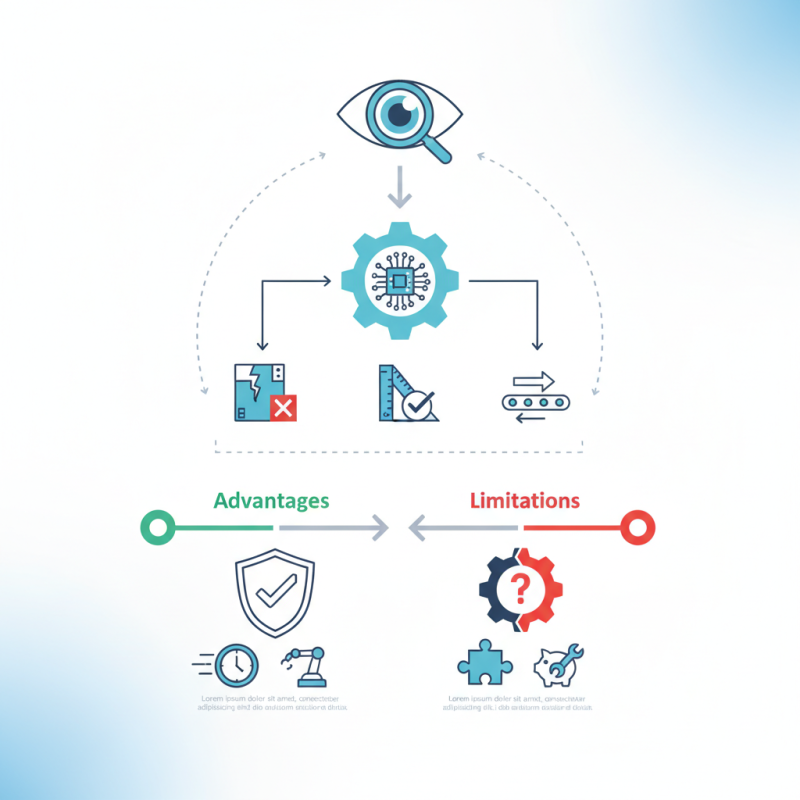
What is Machine Vision Inspection and How Does It Work?
Machine Vision Inspection has become a crucial aspect of modern manufacturing. Dr. Emily Richards, a leading expert in this field, states, “Machine Vision systems are transforming quality control.” Companies rely on these systems to enhance precision and efficiency.
Machine Vision Inspection utilizes advanced cameras and algorithms to analyze products. It helps detect defects and ensures adherence to specifications. The technology scans items swiftly, reducing human error. This reliability can streamline production lines, but it is not infallible.
Despite its advantages, Machine Vision Inspection has limitations. Some complex defects might be overlooked. Additionally, the initial setup can be costly and time-consuming. Businesses must weigh these factors carefully. The potential for improvement is significant, but the journey is often challenging.
Definition of Machine Vision Inspection: Key Concepts and Terms
Machine vision inspection is a critical technology in various industries. It automates visual inspection processes, ensuring high quality and efficiency. This technology uses cameras, sensors, and software to analyze images. By identifying defects, it enhances product quality and reduces waste.
Key concepts in machine vision include illumination, optics, and image processing. Proper lighting is vital for clear images. Different optics configurations can affect the depth of field and resolution. Image processing algorithms analyze pixel data to detect flaws. According to a recent report, 70% of manufacturers have adopted this technology to improve quality control. Yet, not all implementations are flawless. Variations in images can lead to errors.
The industry faces challenges with machine vision. Some systems struggle in complex environments. Variability in colors and textures confuses algorithms. Inadequate training of staff on technology can worsen the issues. Additionally, integrating machine vision with existing systems often requires careful planning and investment. Reflecting on these realities can guide companies in refining their processes.
Core Components of Machine Vision Systems: Cameras, Lighting, and Software
Machine vision inspection relies heavily on three core components: cameras, lighting, and software. The choice of camera plays a vital role in achieving high-quality imaging. Advanced industrial cameras can capture images with resolutions exceeding 20 megapixels. This clarity allows for precise measurements and defect detection. However, not all cameras perform the same under varying conditions, which is a critical consideration.
Lighting significantly impacts the performance of machine vision systems. Proper lighting enhances contrast and highlights features that might otherwise go unnoticed. According to industry reports, improper lighting can lead to up to 30% of defective products slipping through quality checks. Various lighting techniques, like LED ring lights or backlighting, bring unique advantages, but they require careful selection based on specific inspection tasks.
Software integrates the data collected from cameras and interprets it for actionable insights. This component can employ machine learning to improve detection rates over time. However, the reliance on algorithms isn't flawless. Reports show that as much as 15% of inspections may produce false positives or negatives. Continuous training and updates of the software are essential. This reflects the need for ongoing evaluation and refinement in the machine vision inspection process.
How Machine Vision Inspection Works: Step-by-Step Process Explained
Machine Vision Inspection is transforming quality control in various industries. The process begins with capturing images of products using high-resolution cameras. These cameras are designed to detect minute details, even at high speeds. According to industry reports, around 75% of manufacturers find that machine vision systems improve inspection speed and accuracy.
After image capture, the system processes the visuals using advanced algorithms. These algorithms can analyze shapes, colors, and patterns, ensuring products meet strict specifications. Interestingly, research indicates that up to 20% of defects can be missed by human inspectors. This gap highlights the need for reliable, automated solutions.
However, not all implementations are flawless. Some machine vision systems struggle with complex shapes or transparent materials. Regular calibration and updates are essential to optimize performance. Companies must invest time in training personnel to adapt to changing technologies. Embracing machine vision can lead to significant improvements, but it also presents challenges that require ongoing reflection and enhancement.
What is Machine Vision Inspection and How Does It Work?
| Inspection Step | Description | Technology Used | Common Applications |
| Image Acquisition | Capturing images of the object using cameras. | Cameras, Lighting | Quality control, defect detection |
| Image Processing | Processing images to enhance and extract features. | Algorithms, Software | Pattern recognition, measurement |
| Feature Extraction | Identifying key features for analysis. | Image processing techniques | Assembly verification, sorting |
| Decision Making | Analyzing extracted features against criteria. | Artificial Intelligence, Logic Algorithms | Sorting, quality assurance |
| Output and Feedback | Providing results and recommendations for action. | User Interfaces, Control Systems | Operational adjustments, reporting |
Applications of Machine Vision Inspection in Various Industries
Machine vision inspection plays a critical role in various industries. In manufacturing, it ensures quality control by examining components on assembly lines. High-resolution cameras capture images, while software analyzes them for defects. This increases efficiency significantly. However, not every inspection is foolproof. Some subtle defects can evade detection, leading to potential quality issues.
In the food industry, machine vision is used to sort products. Cameras identify size, color, and even blemishes on fruits or vegetables. This helps in maintaining high standards for consumers. Yet, the technology may misidentify certain products under poor lighting conditions. This can result in unnecessary waste of good food and missed opportunities for profit.
Additionally, in pharmaceuticals, machine vision checks packaging for accuracy. It verifies labels and expiration dates, ensuring compliance with regulations. Still, the technology relies heavily on proper calibration. A miscalibrated system may overlook critical errors, putting consumers at risk. Continuous improvement and frequent recalibrations are essential to avoid these pitfalls.
Applications of Machine Vision Inspection in Various Industries
Benefits of Implementing Machine Vision Inspection for Quality Control
Implementing machine vision inspection systems can significantly enhance quality control processes. Unlike traditional methods, these systems use cameras and sensors to analyze products. They can quickly identify defects that might be missed by human inspectors. This ensures that only high-quality products reach consumers.
The benefits are tangible. For instance, these systems can increase inspection speed, leading to a higher output rate. They can also reduce human error, which is a common issue in manual inspections. A minor flaw may go unnoticed, causing problems later. By automating inspections, organizations can maintain consistent quality. Yet, there are challenges. Initial setup costs can be high, and training staff to operate these systems may take time. Additionally, the technology must be regularly updated to adapt to new product lines.
Observations show that machine vision inspection can improve accuracy and reduce waste. However, not all machines are perfect; false positives can occur. This can lead to unnecessary rejections of good products. Companies must regularly analyze results to fine-tune these systems. Overall, the integration of machine vision inspection in quality control can offer substantial benefits when thoughtfully implemented.