How to Choose the Best Label Printer for Shipping to Boost Your Business Efficiency
In today's fast-paced business environment, efficiency is paramount, especially when it comes to shipping logistics. One of the essential tools that can streamline your shipping process and enhance your overall productivity is a reliable label printer for shipping. The right label printer not only saves time by quickly producing high-quality labels but also reduces errors and increases accuracy in order fulfillment. As e-commerce and online businesses continue to grow, the demand for effective shipping solutions has never been more critical.
Choosing the best label printer for shipping involves several key considerations that can impact your operational workflow. Factors such as print speed, connectivity options, compatibility with shipping software, and label design capabilities play crucial roles in determining the most suitable printer for your business needs. An informed decision can significantly enhance the shipping experience for both the business and its customers, ultimately leading to improved satisfaction and repeat business.
In this guide, we will explore the various aspects to consider when selecting a label printer for shipping, ensuring that you equip your business with the best tools to thrive in a competitive market. By understanding your specific requirements and the features offered by different printers, you can make a choice that boosts both your efficiency and your bottom line.
Understanding Your Business Needs for a Label Printer
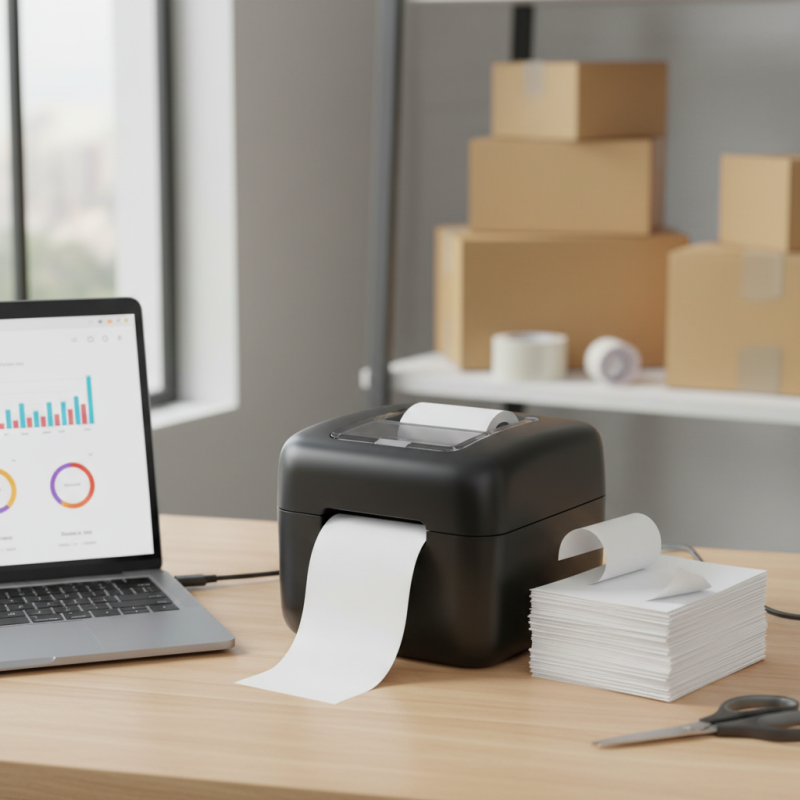
When it comes to selecting the best label printer for your shipping needs, understanding your unique business requirements is essential. Each business has different operational dynamics, and recognizing these can significantly impact your efficiency. Begin by evaluating the volume of shipments you process daily. A high-volume shipping environment may necessitate a faster, industrial-grade printer, while a smaller operation might find a compact, desktop model sufficient.
Tips: Consider the types of labels you need—whether for shipping, product identification, or inventory management. Different printers excel in printing various label types, so ensure that the one you choose can handle your specific demands. Additionally, think about the connectivity options you require; compatible interfaces can streamline the integration of the printer with your existing systems.
Another crucial aspect to consider is the printing technology. Thermal printers are popular for their speed and low operating costs, but depending on your label materials and color requirements, you might want to explore other options. Moreover, assess the ease of use and maintenance of the printer. A user-friendly interface and minimal upkeep can save you time and reduce the learning curve for your staff, ultimately enhancing your shipping efficiency.
How to Choose the Best Label Printer for Shipping to Boost Your Business Efficiency
| Feature |
Description |
Importance Level |
| Print Speed |
Measured in labels per minute, affects overall shipping efficiency. |
High |
| Connectivity Options |
USB, Wi-Fi, Bluetooth options for flexibility in setup. |
Medium |
| Print Resolution |
Higher DPI provides clearer and more readable labels. |
High |
| Label Size Compatibility |
Must support various sizes to fit different packaging needs. |
High |
| Durability |
Ability to withstand shipping and handling conditions. |
Medium |
| Ease of Use |
User-friendly software and setup procedures. |
High |
| Cost of Supplies |
Ongoing cost for label rolls and ink if applicable. |
Medium |
| Customer Support |
Availability of technical support and service options. |
Medium |
Key Features to Look for in a Shipping Label Printer
When selecting a shipping label printer, there are several key features that can significantly enhance your business efficiency. First and foremost, printing speed is crucial; choose a printer that can produce labels quickly, as this will streamline your shipping process and reduce wait times. Look for printers that can print at least 4 inches per second, which ensures that you can handle large volumes of labels without delays.
Another important feature to consider is connectivity options. A versatile printer should offer various connectivity methods such as USB, Bluetooth, and Wi-Fi, allowing you to integrate it seamlessly with your existing systems and mobile devices. This flexibility enables you to print from different locations in your workspace and connect to multiple devices, enhancing collaboration and productivity. Additionally, consider the printer's compatibility with your shipping software, ensuring that you can easily manage your label printing tasks without compatibility issues.
Finally, durability and ease of use are critical factors. A robust printer designed for high-volume shipping will not only withstand the demands of your business but also reduce maintenance costs over time. Opt for a model that features easy-to-navigate controls and user-friendly software, as this will reduce training time for employees and minimize errors in label production. By focusing on these features, you can choose a shipping label printer that effectively supports your business operations.
Shipping Label Printer Features Comparison
This chart illustrates a comparison of key features for different shipping label printers, including print speed, resolution, connectivity options, cost, and user rating. Selecting the right printer can enhance your shipping efficiency.
Comparing Different Types of Label Printers: Thermal vs. Inkjet
When selecting a label printer for shipping, one crucial consideration is the type of printing technology it employs. Two popular options are thermal and inkjet printers, each with distinct advantages and disadvantages.
Thermal printers work by applying heat to a specially coated label, creating images without the need for ink. This method results in smudge-proof labels that are quick to produce, making them ideal for high-volume shipping operations. They are also known for their reliability and longevity, as the absence of ink means reduced maintenance over time.
On the other hand, inkjet printers utilize ink cartridges to create vibrant, high-resolution images. They are particularly well-suited for color labels and designs that require detailed artwork or graphics, allowing for greater customization. However, the inkjet method typically entails higher ongoing costs due to ink replacement, and the labels may not be as durable as those produced by thermal printers. Additionally, inkjet labels can be susceptible to smudging, especially in humid environments, which might be a concern for shipping purposes.
Ultimately, the choice between thermal and inkjet label printers will depend on your specific needs—considering factors like volume, label durability, and design requirements—to enhance your business efficiency in shipping.
Evaluating Printing Speed and Quality for Efficient Shipping
Choosing the right label printer for shipping is critical in enhancing business efficiency, particularly when considering printing speed and quality. According to a recent report by Market Research Future, the demand for efficient shipping solutions is projected to increase by over 15% annually. A fast and reliable label printer can significantly streamline the order fulfillment process, helping businesses keep pace with growing customer expectations. In environments where time is of the essence, look for printers capable of producing labels at speeds of 4-6 inches per second, ensuring that your workflow remains uninterrupted.
Quality is equally important in maintaining an effective shipping process. The International Association of Publishing Companies highlights that over 60% of return shipments are caused by label print errors. Therefore, investing in a label printer that delivers crisp, clear images and text is essential. Look for devices that support high DPI (dots per inch) printing, ideally between 300 to 600 DPI, guaranteeing that barcodes and QR codes are easily scannable to minimize delays in the shipping process.
Tips: Ensure that your label printer has a robust software integration capability to connect seamlessly with your existing inventory and shipping systems. This can save time on manual data entry and reduce the risk of errors. Additionally, consider printers that offer thermal printing technologies, as they not only provide high-quality prints but also eliminate the need for expensive ink or toner replacements, contributing to cost savings over time.
Budget Considerations: Finding the Right Label Printer for You
When selecting a label printer for shipping, budget considerations play a crucial role.
Start by determining your organization's spending capacity and evaluating how frequently you plan to use the printer.
If your business deals with a high volume of shipments, consider investing in a more robust model that may have a higher initial cost but offers lower long-term operating expenses through efficient printing technology.
On the other hand, if your shipping needs are less frequent, opting for a more economical, entry-level printer could be a sensible choice that helps you stay within budget while still meeting your basic labeling requirements.
Additionally, be mindful of the ongoing costs associated with your label printer.
Ink, labels, and maintenance can quickly add up, affecting your overall budget.
Look for printers that use cost-effective supplies, and consider the warranty and support offered.
This will ensure you’re not only saving money up front but also protecting your investment in the long run.
Evaluating your specific needs against these budget considerations will enable you to choose a label printer that best aligns with your shipping processes and enhances your overall business efficiency.