Top Bottle Labels Trends to Watch for in 2026?
As the bottle labels industry evolves, staying ahead of trends is essential for brands. Recognized expert in packaging design, Sarah Thompson, emphasizes, "Bottle labels are not just about branding; they tell a story." This statement captures the essence of what bottle labels will represent in 2026.
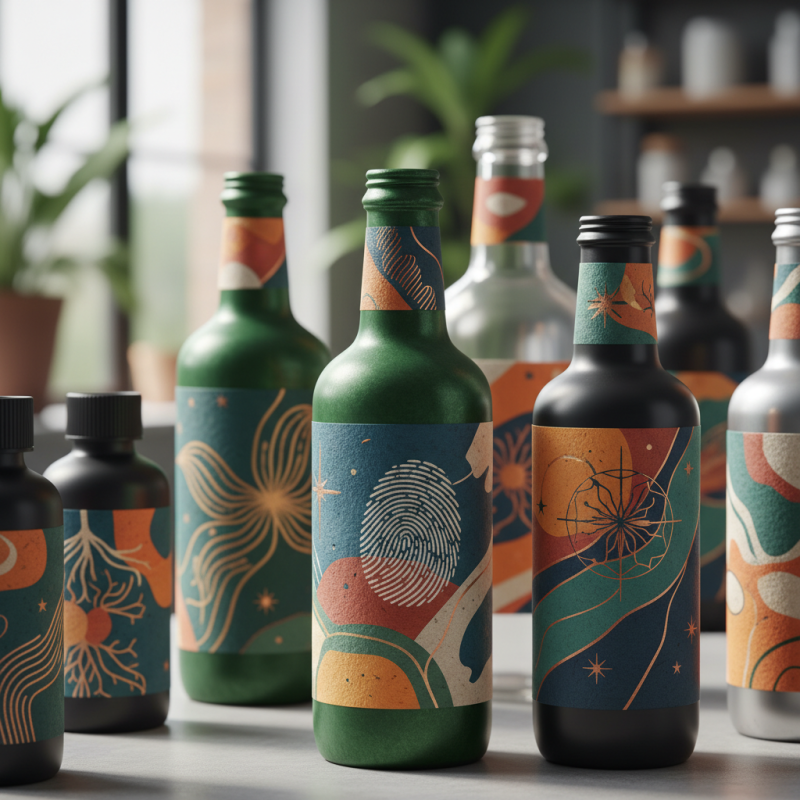
The increasing demand for sustainability will shape label designs. Consumers desire eco-friendly materials that also catch their eye. Moreover, personalization will play a significant role. Custom bottle labels create a connection between the product and the consumer. This could enhance loyalty, leading to repeated purchases. Companies must consider how to reflect their values through innovation.
Trends in colors and typography will also be significant. Bold colors can attract attention on crowded shelves. Unique fonts may convey a brand's personality more effectively. However, the challenge lies in balancing creativity with clarity. Labels need to be informative yet striking. So, as we observe the future of bottle labels, the importance of thoughtful design cannot be overstated.
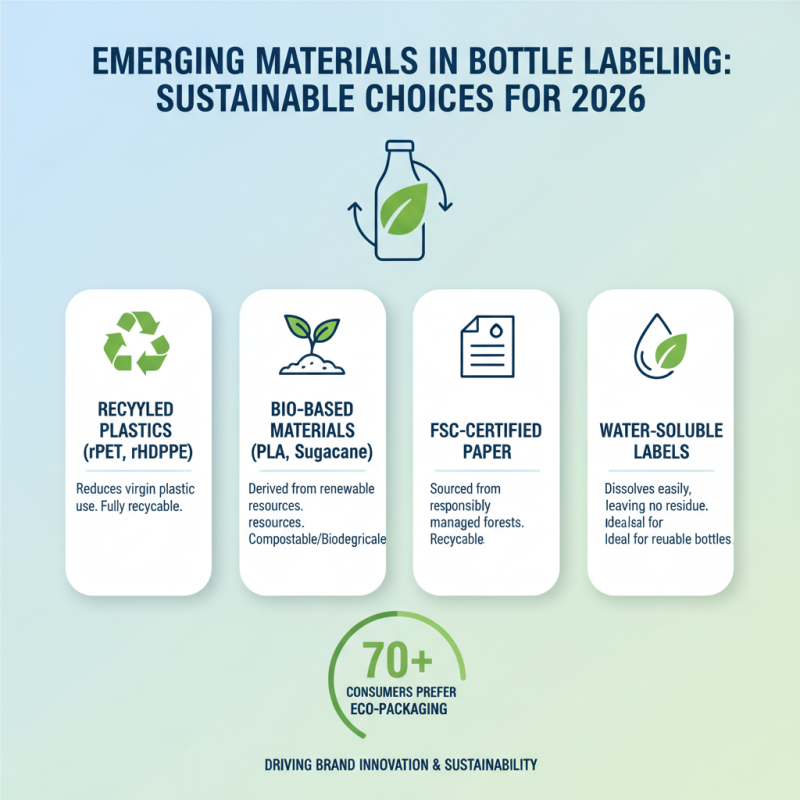
Emerging Materials in Bottle Labeling: Sustainable Choices for 2026
As we approach 2026, the bottle labeling industry is witnessing a significant shift towards sustainable materials. Environmental concerns are at the forefront of consumer decision-making. Reports indicate that over 70% of consumers prefer eco-friendly packaging options. This preference drives brands to explore innovative labeling materials that reduce environmental impact.
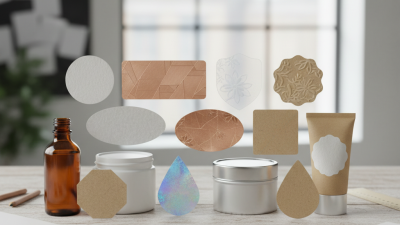
Biodegradable labels are becoming increasingly popular. These labels break down naturally, minimizing waste in landfills. Additionally, companies are turning to recycled paper and plant-based inks, aligning with eco-conscious values. The demand for sustainability is reshaping industry standards, with emerging materials set to dominate the market.
Tips: Consider using paper labels made from recycled materials. These are not only sustainable but also offer a unique texture that appeals to customers. Another option is to explore labels infused with organic compounds, enhancing the product's marketability. Remember, transparency in sourcing materials can enhance your brand's credibility and reliability.
Innovative Printing Techniques: Enhancing Visual Appeal on Labels
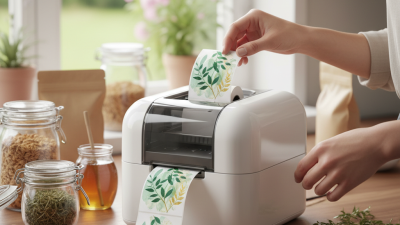
Innovative printing techniques are revolutionizing bottle labels in the beverage industry. Personalized designs capture consumer attention. A recent study highlighted that 68% of consumers prefer products with unique labels. This underscores the importance of standing out on the shelf.
Digital printing is leading the way in label innovation. This method allows for intricate designs and vibrant colors. Research indicates that brands using digital printing see a 30% increase in sales compared to traditional methods. Customization in small batches also enables brands to test new concepts effectively. However, the quality of materials remains a challenge for many.
Sustainable practices are becoming more significant. Eco-friendly inks and recyclable materials are gaining traction. Brands must balance quality with environmental impact. While consumers demand aesthetic appeal, they increasingly prefer sustainable options. In this evolving landscape, brands must adapt to meet these dual expectations.
Personalization Trends: Custom Labels for Unique Brand Identity
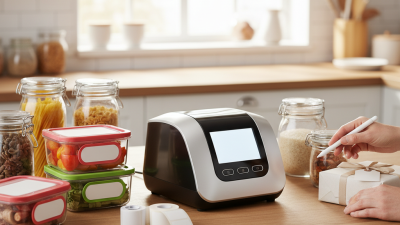
As we move toward 2026, personalization in bottle labeling is becoming a vital trend. Recent industry reports indicate that 78% of consumers are more likely to engage with brands that offer personalized products. Custom labels allow brands to convey their unique identity, creating stronger connections with customers. This trend reflects a shift from generic packaging to tailored designs that resonate with individual preferences.
Distinctive label designs can narrate a brand's story or reflect its values. Studies show that 65% of consumers are inclined to pay more for products with personalized packaging. Brands are experimenting with bespoke materials, colors, and textures. However, achieving a balance between creativity and clarity is crucial. Labels must remain functional, ensuring vital product information is easily readable.
While personalization boosts appeal, not all strategies lead to success. It’s essential to consider production costs and supply chain limitations. Offering extensive customization can complicate inventory management. Brands must also be cautious of over-complicating designs. Simplicity often enhances user experience. Focusing on consumer needs while exploring innovative label concepts is where brands can truly thrive.
Top Bottle Label Trends to Watch for in 2026
Integration of Technology: Smart Labels and QR Codes in Packaging
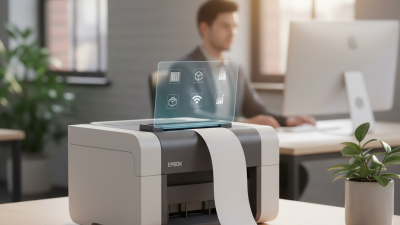
The integration of technology in packaging is transforming bottle labels in exciting ways. Smart labels equipped with QR codes provide a direct link between the product and the consumer. These codes allow customers to access detailed product information quickly. According to a recent report by Smithers, the global market for smart packaging is projected to reach $28.9 billion by 2026, indicating a growing consumer demand for interactive packaging.
Moreover, enhancing customer experience is vital for brand loyalty. Research shows that 70% of consumers appreciate product information accessed via smart labels. This trend encourages brands to adopt innovative labeling techniques. Interactive experiences are more likely to influence purchase decisions. A simple scan of a QR code can reveal sustainability practices, origin stories, and usage tutorials.
Tips: Consider incorporating loyalty rewards through QR codes. This strategy can build customer engagement. Also, keep label designs clean. Overloading information can deter consumers. Balance is essential between aesthetic appeal and informative content. Aim for clarity and simplicity to improve user interaction. As brands adapt, evolving technology alongside user preferences will be key. Prioritizing accessibility in design remains a challenge yet essential to meeting future demands.
Top Bottle Labels Trends to Watch for in 2026
| Trend |
Description |
Benefits |
Projected Impact |
| Smart Labels |
Labels equipped with NFC technology allowing users to interact directly with the product via smartphones. |
Enhances customer engagement and provides detailed product information. |
Increasing consumer trust and boosting sales through better information access. |
| QR Codes |
Quick Response codes that link to promotional content, product information, and loyalty programs. |
Facilitates instant access to information and promotional offers, creating a seamless shopping experience. |
Expected to increase marketing effectiveness and customer retention. |
| Sustainability Tags |
Labels that highlight the sustainability of packaging materials and practices. |
Appeals to environmentally conscious consumers and enhances brand image. |
Likely to drive brand loyalty among eco-friendly consumers. |
| Augmented Reality (AR) Labels |
Labels that offer interactive AR experiences when scanned with a special app. |
Engages customers with immersive content that enhances brand storytelling. |
Set to revolutionize consumer engagement and redefine product interaction. |
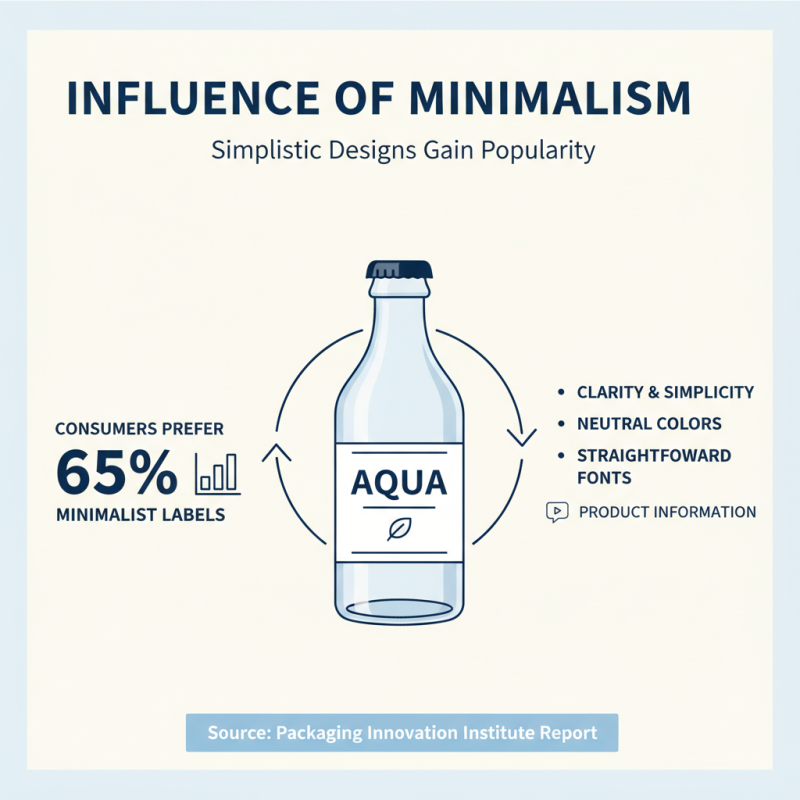
Influence of Minimalism: Simplistic Designs Gaining Popularity in Labels
The influence of minimalism in bottle label design is undeniable. This trend is shifting consumer preferences toward cleaner aesthetics. According to a recent report by the Packaging Innovation Institute, approximately 65% of consumers favor products with minimalist labels. These designs emphasize clarity and simplicity. They often use neutral colors and straightforward fonts, allowing product information to shine through.
Minimalistic labels can also evoke a sense of trust. Research shows that 70% of shoppers associate straightforward designs with higher product quality. This can be especially important for premium brands that want to convey sophistication without overwhelming consumers. However, achieving effective minimalism is challenging. Striking the right balance between simplicity and communication is crucial. Some brands have made missteps by stripping away too much information, leaving consumers confused about the product’s benefits.
Moreover, while minimalism can enhance visual appeal, it may lack distinctiveness in a crowded marketplace. With numerous brands adopting similar styles, originality can suffer. Brands must remain vigilant and ensure their designs stand out while maintaining the minimalist ethos. Adapting to this evolving landscape requires continuous reflection and adaptation. Balancing aesthetics and informative content is essential for success.